UPRISE Newsletter No. 4
UPRISE at the END 2026 International Conference on Education and New Developments
1. About the Conference
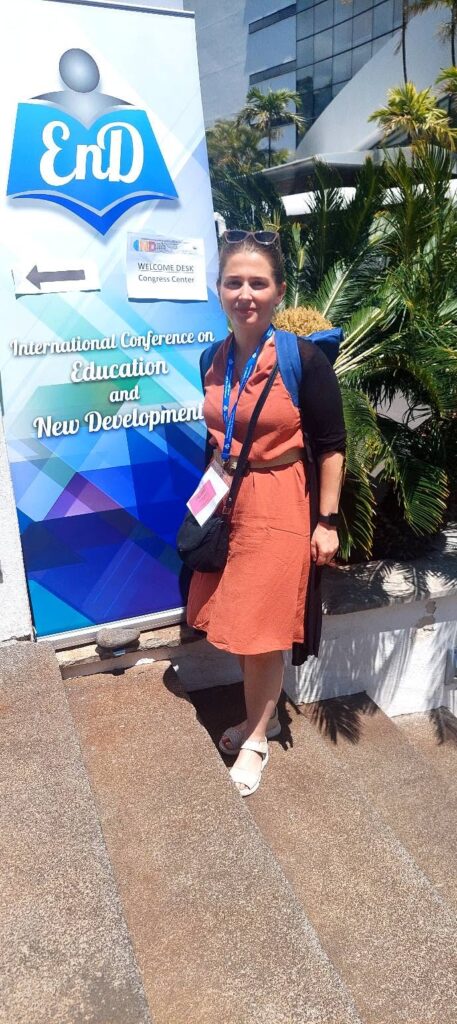
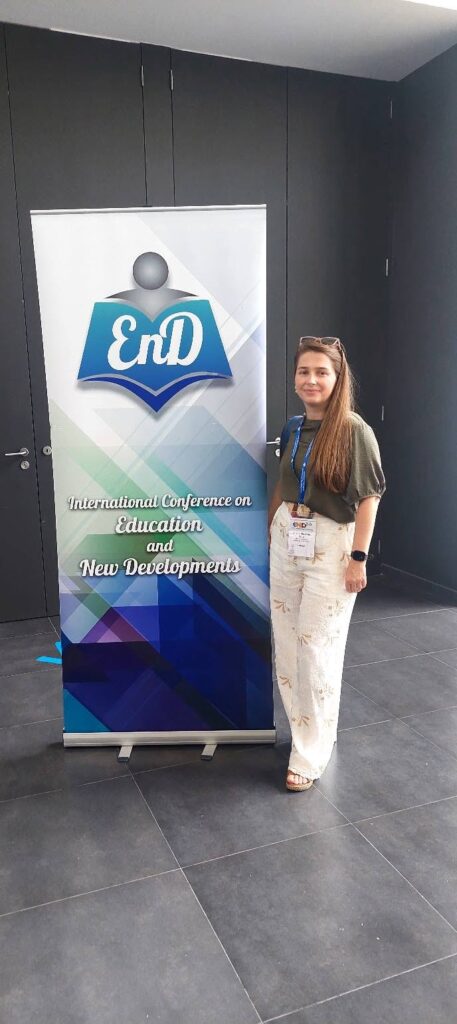
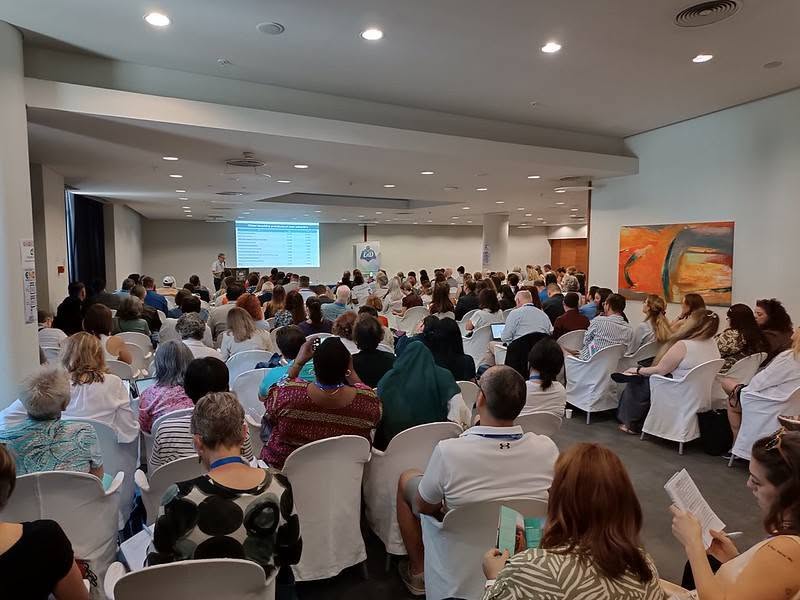
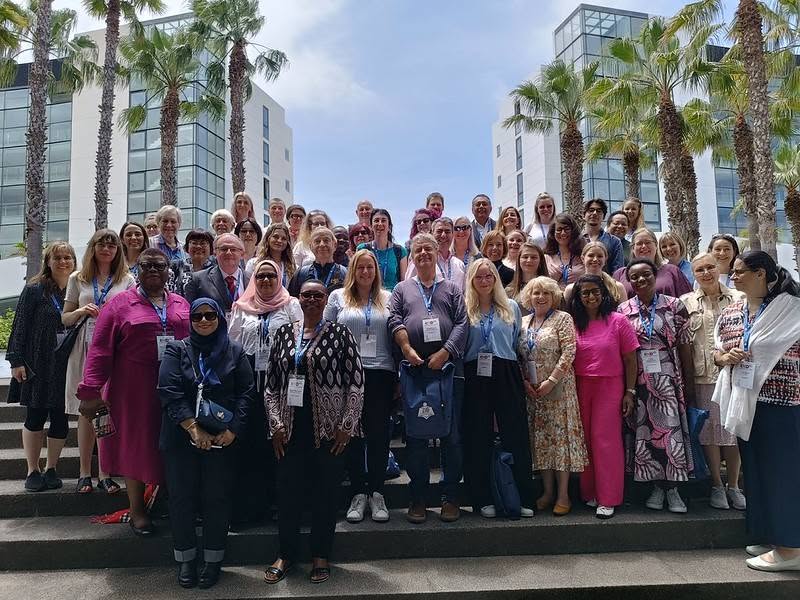
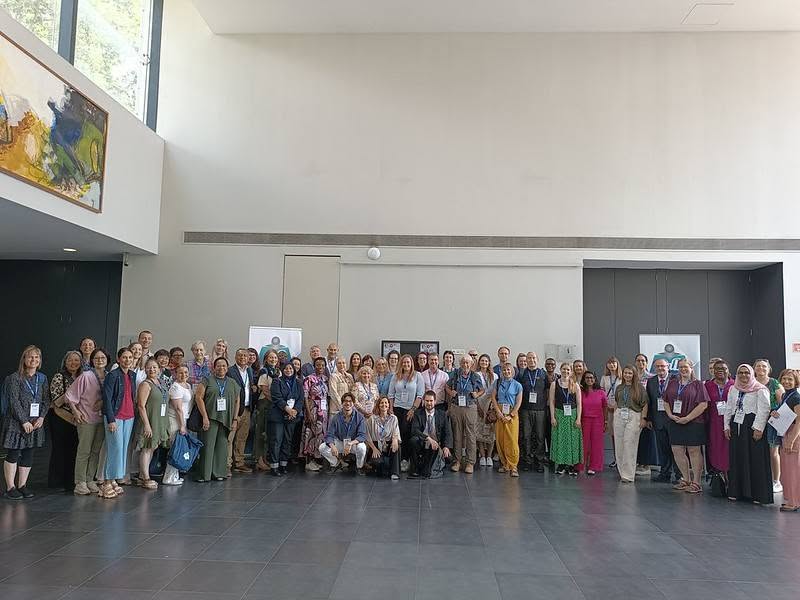
Between 20–22 June 2026, Diana-Sînziana Duca, representing the Erasmus+ UPRISE – Unity in Diversity: Promoting Religious Inclusivity in Greek Muslim Education project, participated in the International Conference on Education and New Developments (END 2026), held in Funchal, on the island of Madeira, Portugal.
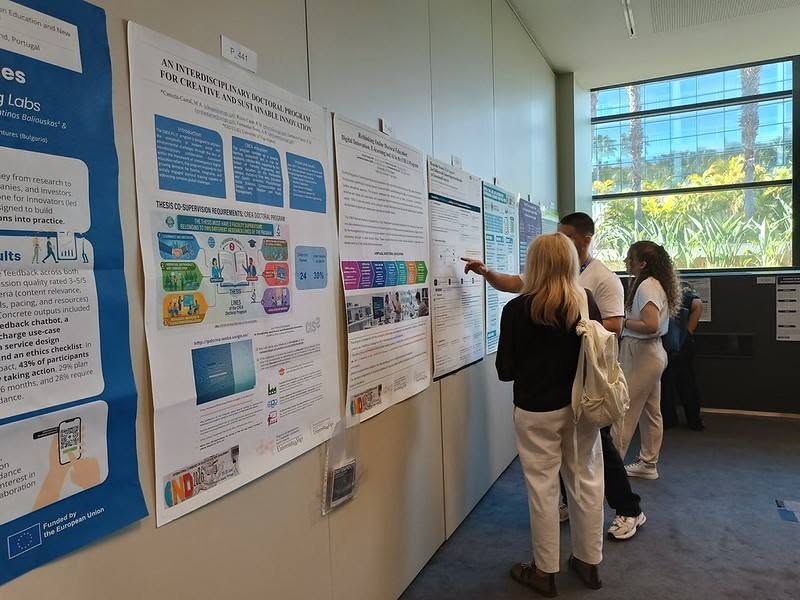
Organised by WIARS (World Institute for Advanced Research and Science), the conference brought together researchers, educators, and specialists from around the world to discuss current trends and innovations in education under four thematic strands: Teachers and Students; Projects and Trends; Teaching and Learning; and Organizational Issues. English served as the official conference language, while this year’s keynote address was delivered by Prof. Pedro Isaias from Universidade Aberta (Portuguese Open University).
Participation in END 2026 provided an excellent opportunity to disseminate the research outcomes of the UPRISE project, exchange ideas with the international academic community, and contribute to ongoing discussions on inclusive education and religious diversity.
2. The UPRISE Presentation
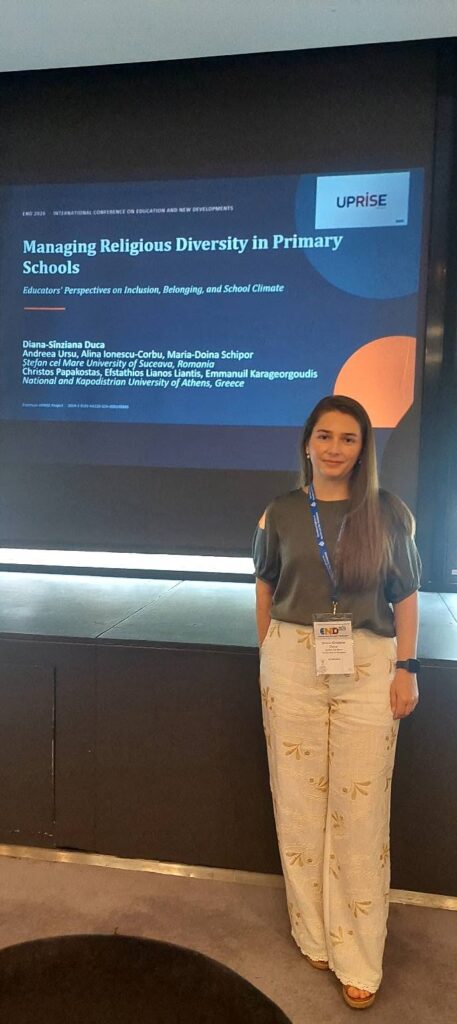
Representing the UPRISE consortium, Diana-Sînziana Duca presented the paper “Managing Religious Diversity in Primary Schools: Educators’ Perspectives on Inclusion, Belonging, and School Climate”, co-authored by Diana-Sînziana Duca, Andreea Ursu, Alina Ionescu-Corbu and Maria-Doina Schipor (Ștefan cel Mare University of Suceava), together with Christos Papakostas, Efstathios Lianos Liantis and Emmanuil Karageorgoudis (National and Kapodistrian University of Athens).
The study is based on 30 semi-structured interviews conducted across all three administrative areas of Thrace with four groups of educational stakeholders: primary school teachers, Islamic religion teachers, teachers working in minority schools, and school principals. Using thematic analysis, the research explored how educators understand and manage religious diversity and how their everyday decisions shape Muslim pupils’ sense of belonging within the school community.
Among the study’s main findings were:
• Procedures for exempting Muslim pupils from Religious Education classes and religious school events differ considerably from one school to another, often depending on local practices rather than common institutional guidelines.
• Delays in appointing Islamic religion teachers negatively affect teaching continuity and school timetables, while these teachers also reported limited professional recognition and reduced participation in school decision-making.
• Educators strongly supported interactive and dialogical teaching approaches despite the lack of standardized teaching materials and a common curriculum.
• Participants emphasized the need for clearer procedures, updated educational resources, and stronger collaboration with families.
The paper also introduces the concept of the “Exemption Paradox”, arguing that procedures intended to protect freedom of conscience may, when implemented through inconsistent arrangements, unintentionally undermine pupils’ sense of belonging.
The authors warmly thank all co-authors for their excellent collaboration and valuable contribution to this research, reflecting the strength of the UPRISE consortium and its international partnership.
3. Publication and Visibility
The paper’s abstract is included in the official END 2026 Book of Abstracts, freely available online:
https://end-educationconference.org/abstracts/
Following the conference, the authors will be invited to submit an extended version of the accepted paper for publication as a chapter in the current volume of the book “Education Applications & Developments”, published by inScience Press.
This publication opportunity will further increase the visibility of UPRISE research and contribute to sharing the project’s findings with a broader international community of researchers and education professionals.
4. Why This Matters for UPRISE
Participation in international conferences such as END 2026 is an important dissemination activity for UPRISE. It enables the consortium to share its research with the international academic community, receive valuable feedback, and strengthen the scientific impact of the project’s results.
The conference also reinforced the relevance of the qualitative findings developed within Work Package 2 and provided a solid foundation for the project’s subsequent activities, including quantitative research and the development of evidence-based pedagogical resources.
5. Project Website and Social Media
Website: https://uprise.he.duth.gr/en/home-page/
Facebook: https://www.facebook.com/profile.php?id=61572599726190
LinkedIn: https://www.linkedin.com/company/erasmus-project-uprise/posts/?feedView=all
END 2026 Conference: https://end-educationconference.org/
6. Erasmus+ Disclaimer
This project has been funded with support from the European Commission under the Erasmus+ Programme (Project No. 2024-1-EL01-KA220-SCH-000248886). This publication reflects the views only of the authors, and the Commission cannot be held responsible for any use which may be made of the information contained therein.