UPRISE Newsletter No. 5
Unity through Diversity: Reflections on the UPRISE Project Ending Conference and the Path to Inclusive Education
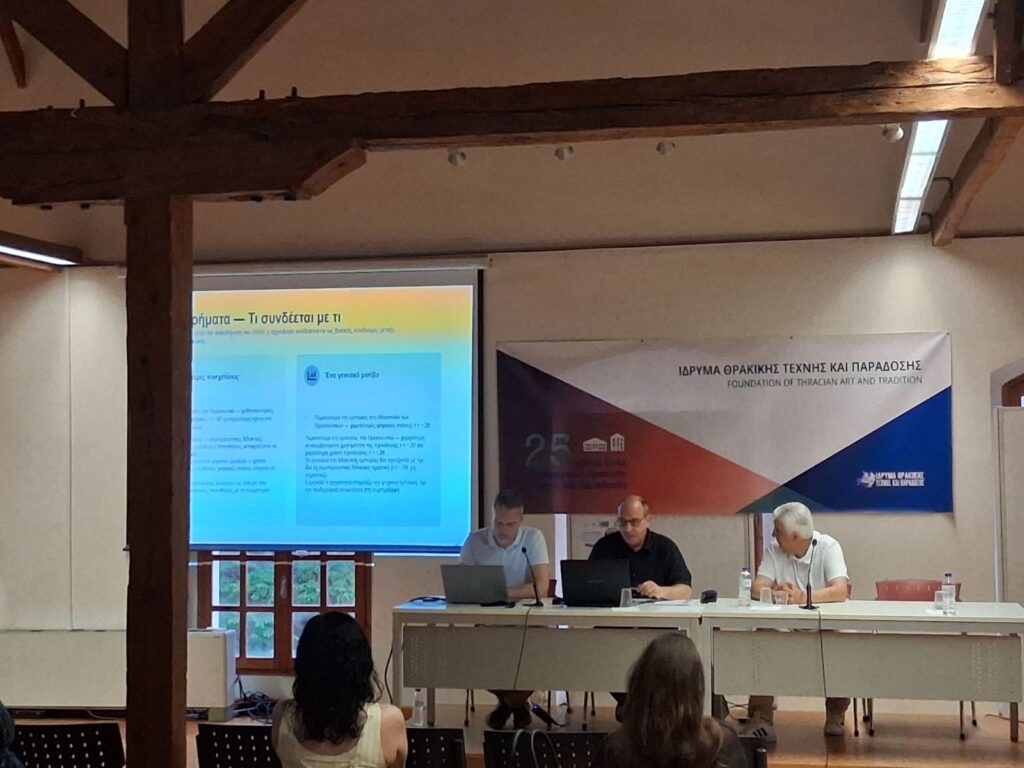
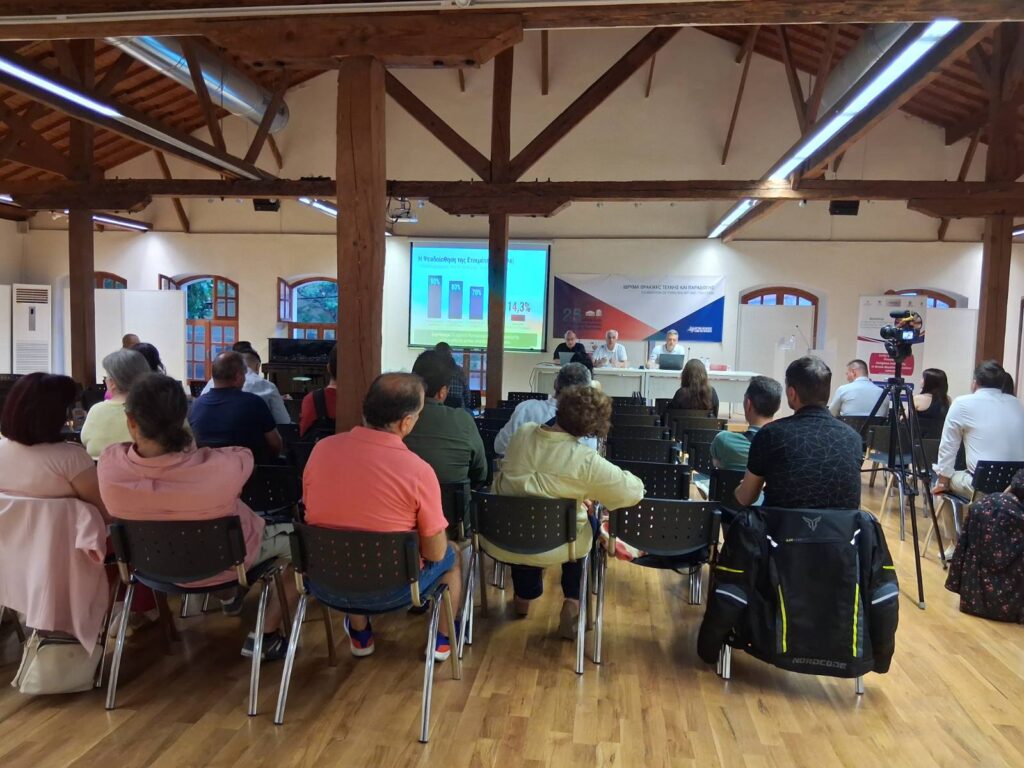
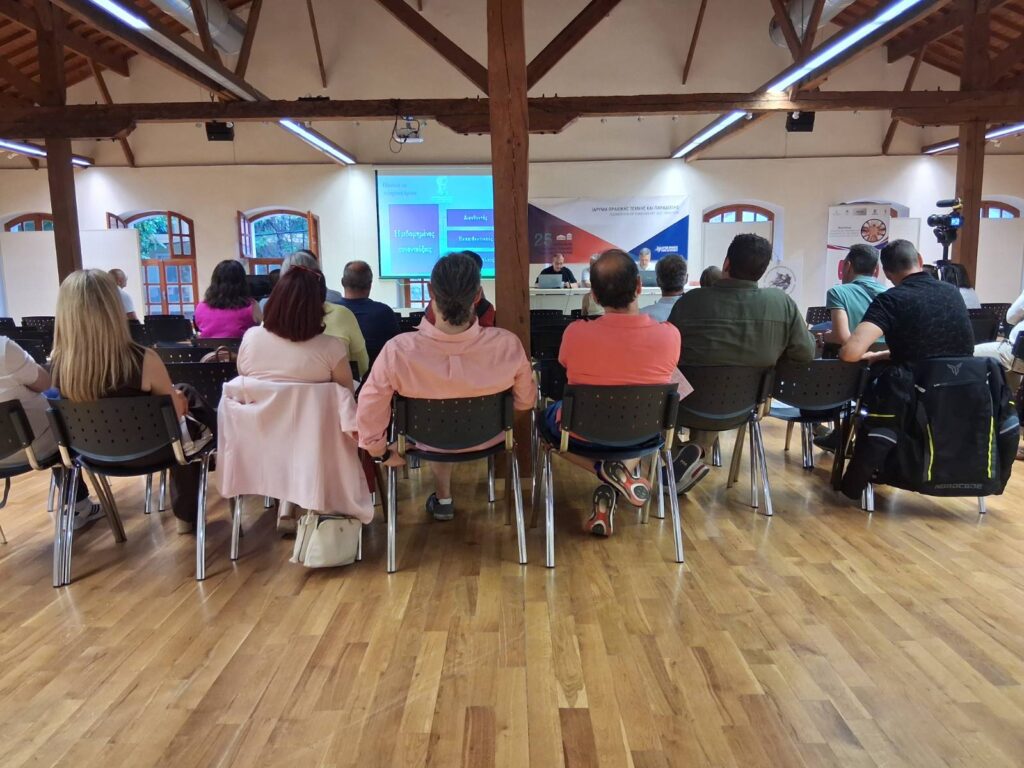
On June 17th, 2026, the UPRISE Project reached a significant milestone, hosting the hybrid UPRISE project ending conference that brought together educators, researchers, and policymakers from across Southeast Europe. This gathering served as a vital platform to share progress, discuss findings from recent field research, and reinforce the project’s commitment to fostering religious inclusivity within the educational landscape of Thrace.
The event’s hybrid format allowed for seamless collaboration between participants on the ground and those joining digitally from partner institutions in Greece, Romania, and Bulgaria. This inclusivity mirrors the project’s very name: “Unity through Diversity: Promoting Religious Inclusion in Muslim Education in Greece (UPRISE)”.
The Vision: Why UPRISE Matters
The UPRISE project is a two-year Erasmus+ Cooperation Partnership (2024–2026) specifically designed to address the unique challenges faced by Muslim pupils in State Primary schools of Thrace. With over 20% of students in the region identifying as Muslim, the project identifies a critical need for a clear regulatory framework and standardized pedagogical resources.
The primary aim of UPRISE is to investigate the hurdles faced by students who either attend or are exempted from Religious Studies and to propose concrete interventions, pedagogical materials, and inclusive policies. Grounded in the European Convention on Human Rights, the project seeks to ensure every child receives an education that respects their religious beliefs while promoting social cohesion.
A Strong Academic Alliance: Our Partners
The strength of UPRISE lies in its diverse consortium of four universities, each bringing specialized expertise to the table:
- National and Kapodistrian University of Athens (NKUA), Greece: Serving as the overall Project Coordinator, NKUA provides institutional leadership and oversees the integration of all project components. Under the scientific guidance of Associate Professor Efstathios Lianos Liantis, the NKUA team includes the following associates: Emmanouil Karageorgoudis; Christos Papakostas; Paschalis Kalitsis and Anastasia Sideri
- Democritus University of Thrace (DUTH), Greece: As the local academic pillar, DUTH offers deep insights into the societal fabric of Thrace. Led by Scientific Coordinator Associate Professor Marco Miotto, the DUTH team includes colleagues Theodora Vainderli, Lazaros Mitsiou, and Orhan Aziz.
- Sofia University “St Kliment Ohridski” (SU), Bulgaria: This partner brings essential regional expertise, particularly regarding the inclusion of significant Muslim minorities in Bulgaria, offering a broader Southeastern perspective. The team is led by Ekaterina Zlateva Tomova and supported by: Siyka Georgieva Chavdarova-Kostova and Petya Ivanova.
- “Ștefan cel Mare” University of Suceava (USV), Romania: USV contributes high-level methodological rigor and expertise in inclusive and intercultural education. The team is led by Diana Sînziana Duca, supported by Maria-Doina Schipor, Andreea Ursu, and Alina Ionescu-Corbu.
The Framework: Five Pillars of Progress
The project’s objectives are being realized through five integrated Work Packages (WPs), each driven by specific partner contributions:
WP1: Project Management Led by NKUA, this package ensures the administrative and financial health of the partnership. Partners like DUTH and USV actively participate to maintain project alignment.
WP2: Qualitative Research This package focuses on gathering the views of teachers, principals, and religious instructors through semi-structured interviews. USV is the leader for this WP, responsible for designing the culturally sensitive research instruments and analyzing the qualitative data. NKUA and DUTH handle the on-the-ground data collection. A key highlight of this phase was DUTH’s Pilot Study, which tested the feasibility of these research tools in schools across Xanthi and Rodopi.
WP3: Quantitative Research Led by DUTH, this WP expands the research through digital questionnaires administered to hundreds of educators. USV plays a lead role here by managing the online survey implementation and conducting statistical analyses. Early findings presented during the June 17th event revealed that while teachers hold highly positive attitudes toward inclusion (scoring 4.56/5), they face structural barriers like delayed teacher appointments and a lack of standardized curricula.
WP4: Pedagogical Materials & LMS Platform This package is led by Sofia University (SU) and focuses on the creation of tangible resources. This includes the development of 36 lesson plans and an LMS platform—a digital hub for teachers to access role-play cards, worksheets, and presentations designed to foster empathy and mutual respect. NKUA and DUTH are key contributors to the content development for these materials.
WP5: Dissemination and Communication Overall leadership for communication rests with NKUA, while USV is the activity leader for developing newsletters and press releases to ensure the project’s findings reach the widest possible audience.
Looking Ahead
The June 17th UPRISE Project Ending Conference pointed out to a powerful conclusion: while educators are pedagogically open to religious inclusion, the transition from theory to practice requires institutional support and standardized resources. Several of the main outlines based on the results of the project are as follows:
- Positive attitudess vs. persistent structural barriers. Quantitative data shows that public primary teachers hold consistently positive attitudes toward religiously inclusive education, scoring 4.56 on a 5-point scale. However, these positive beliefs are hindered by significant administrative obstacles, most notably the delayed appointment of religious teachers, which was cited as a top concern by 72% of public primary teachers and 100% of Islamic religion teachers.
- Need for institutional reform and standardization. The project highlighted a critical lack of a standardized framework for religious instruction. Findings indicate an absence of an official curriculum and approved teaching materials, forcing many educators to rely on informal sources.
- Technology as a bridge for inclusive practice Research concluded that digital tools serve as a link between inclusive beliefs and participatory classroom practice. There is a strong correlation between technology use and student-centered teaching strategies. While educators generally view digital tools as useful, the project identified a generational pattern: teachers with more years of experience in religious education often exhibit lower digital engagement. To address this, the project recommends targeted digital mentoring for more experienced educators to help them translate their pedagogical openness into modern, inclusive classroom practices.
As we move toward the project’s conclusion in August 2026, the UPRISE consortium remains dedicated to finalizing the Comprehensive Framework on Religious Inclusivity. We invite you to stay connected via our website and social media as we continue to build “brave spaces” where every student, regardless of their faith, can thrive in a democratic and inclusive classroom.
Video: https://drive.google.com/file/d/1H-YZtzzDegXklQwHG2NC-sLf3c8GDt5o/view